Cotton bollworm is a common pest on cotton, frequently active on the undersides of leaves and tender shoots. When population densities are high, leaves are chewed and plant vigor declines. For effective control of cotton bollworm, early intervention and accurate targeting of the application site are critical—Chlorpyrifos 40% EC is registered for use against cotton bollworm on cotton.
Helicoverpa armigera is most vulnerable and easiest to control during the early instar larval stages; once the population surges and leaf rolling occurs, insecticide application becomes both costly and difficult to manage. Before spraying, determine whether the larvae are on the adaxial or abaxial leaf surface, and whether they are located in the whorl or the ear, so as to thoroughly cover the critical target sites.
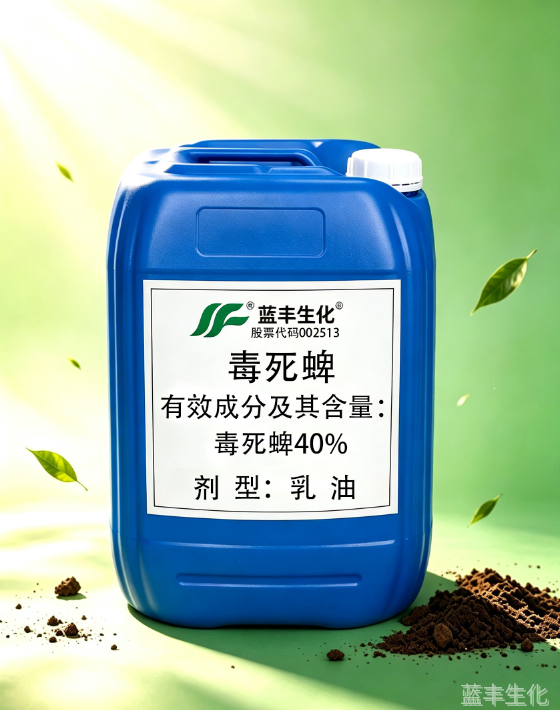
Chlorpyrifos 40% EC (Emulsifiable Concentrate), Registration No. PD20080304 (subject to the actual label). Applied for cotton bollworm (Helicoverpa armigera) on cotton, and also covers rice leaf roller (Cnaphalocrocis medinalis) on rice, at a dosage of 100–150 mL per mu (667 m²) diluted with water for foliar spray. Apply during the early larval stages, and re-apply at intervals of 7–10 days depending on pest pressure. Observe the pre-harvest interval (PHI).
Ensure thorough spray coverage of all primary infestation sites, including the undersides of leaves and tender shoots. For chlorpyrifos EC, rotate with insecticides of different modes of action to delay resistance development; adhere to the pre-harvest interval and avoid application during bee foraging periods. Always follow the label instructions for specific details.