Late July to early August is the peak fruiting period of peppers. Standing in the pepper field, the thing you fear most is seeing the leaves wilting one by one - the first reaction of many growers is to 'spray pesticide', but after spraying they find it useless, the wilting grows worse, and finally the whole plant dies. In summer, pepper diseases are mostly related to 'water'. Blight and bacterial wilt look the most similar, both appear wilted, but one is an oomycete and the other is a bacterium; if you mistake the disease, all the pesticide is wasted. Only by correctly identifying the disease and matching it with the right pesticide and agronomic management can this crop of peppers be stabilized. Today we will explain in detail: what pesticides to use for blight and bacterial wilt, how to cut off the transmission of virus disease, and two well-matched Lanfeng products that can be directly used for tobacco budworm and damping-off.
These two diseases are prevalent in summer and their symptoms are easy to confuse, but the pathogens are completely different. Blight (Phytophthora blight) is caused by Phytophthora capsici and belongs to the oomycetes (in the same family as downy mildew and late blight). Typical symptoms are water-soaked dark green spots at the stem base, branches or fruit, which quickly become soft and rotten, with white mold growing on the diseased parts when humidity is high. This disease is fierce in its 'speed' - within two or three days after rain it can develop from small spots to the whole field, and it is especially deadly during the fruiting period.
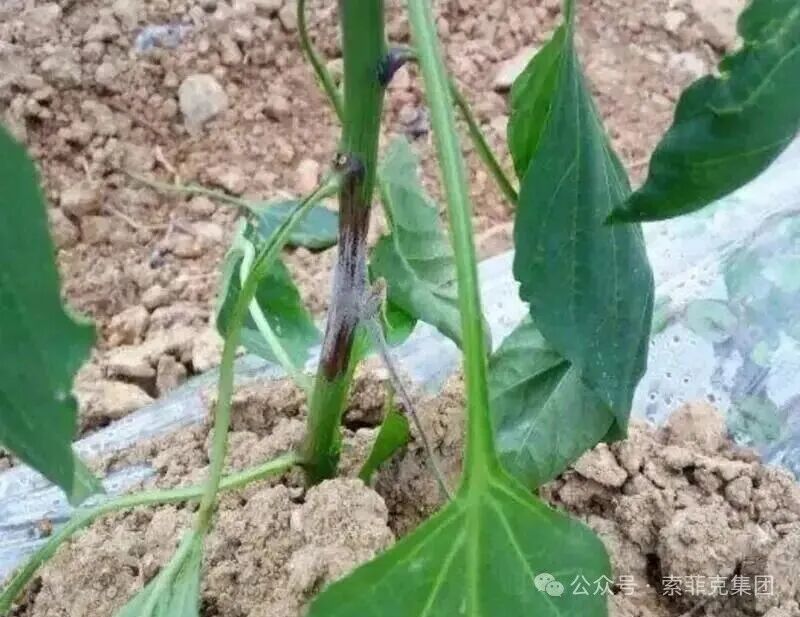
Blight (Phytophthora blight). Bacterial wilt is a bacterial disease caused by Ralstonia solanacearum. The difference from blight: bacterial wilt shows 'wilt during the day, recovery at night', the plant still looks green but is wilting; when the stem is snapped open, the vascular bundles have turned brown, and when cut crosswise and squeezed gently, milky white bacterial ooze seeps out. The cost of misidentifying the disease is high: spraying drugs for treating bacteria on blight, or irrigating drugs for treating oomycetes on bacterial wilt, catches neither the key point. So the first step is to correctly identify the disease before applying the pesticide.
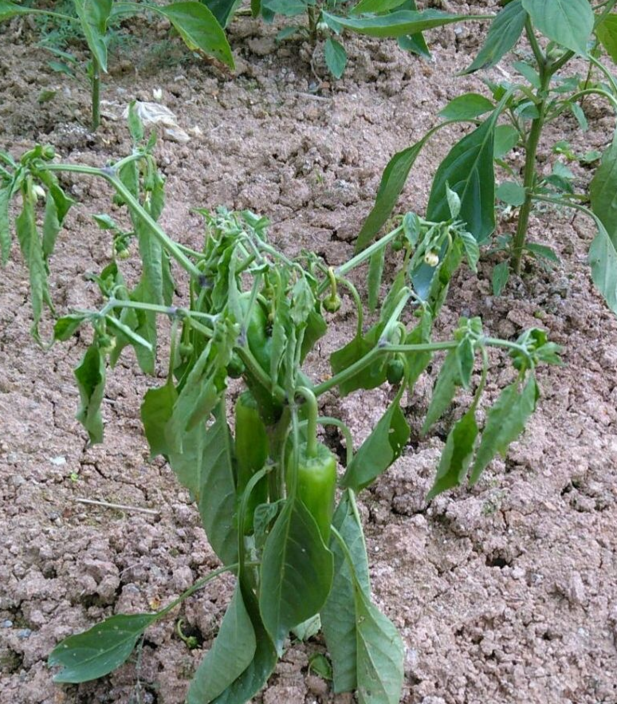
Bacterial wilt
Blight is an oomycete; ordinary fungicides cannot suppress it, so oomycete-specific drugs must be used. The most mature tactic in production is the combination of 'systemic treatment + protection': For systemic treatment, use oomycete-specific drugs such as dimethomorph and flumorph (carboxylic acid amides, FRAC Group 21), focusing on spraying the stem base and the soil-dwelling part; For protective fungicides, use mancozeb (multi-site action, FRAC Group M3) as the base, with supplementary spraying after rain to form a protective film; In the early stage of the disease, spray dimethomorph 50% wettable powder at 1500-2000 times dilution, or iprodione 50% wettable powder at 120-160 g/mu, or flumorph 60% wettable powder at 1000-1500 times dilution, combined with mancozeb 80% wettable powder at 600-800 times dilution. Applying the pesticide immediately after rain is key. The specific dosage shall be subject to the product label. Oomycete resistance builds up quickly, so rotate through these types of drugs every year; do not keep using one to the end.
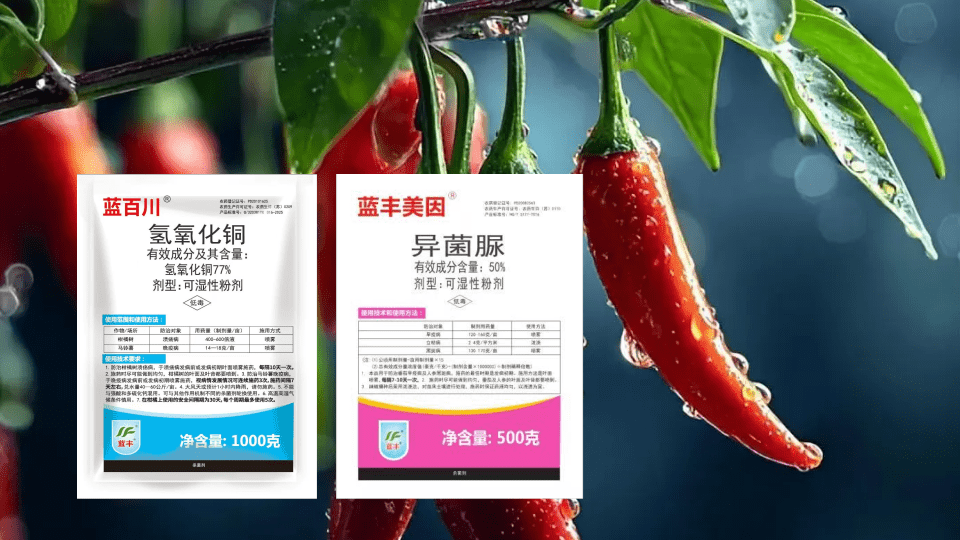
The bacterial wilt pathogen overwinters in the soil, spreads through running water, farm tools and diseased debris, and enters through wounds on the roots. Once it breaks out, there is no 'healing' foliar miracle drug; pesticides and agronomic measures must be applied together. Agronomy is fundamental: rotate with gramineous crops for more than three years; build high ridges and deep ditches, water frequently with small amounts and avoid flood irrigation; use disease-free robust seedlings, reduce root injury during transplanting; when diseased plants are found, pull them out together with the soil and take them out of the field to destroy them, and seal the diseased holes with quicklime. For pesticides, since it is a bacterial disease, in the early stage use bacterial drugs such as benziothiazolinone (probenazole), copper hydroxide and allicin-ethyl by root irrigation plus spraying to suppress the spread. Copper preparations (such as 77% copper hydroxide wettable powder) work fast but attention must be paid to concentration; avoid high temperature and the tender seedling stage to strictly prevent phytotoxicity; the specific dosage and number of applications shall be subject to the product label. In the final analysis, bacterial wilt relies more on 'prevention' than 'treatment', and root irrigation is only an emergency measure.
Pepper virus disease (mainly CMV, TMV) is one of the most yield-reducing diseases in summer, but it does not directly infect healthy plants; it is mainly spread by aphids and thrips migrating and flying in the field. The core of preventing virus disease is to 'take the poison away from the insects': Hang yellow sticky traps and blue sticky traps in the field to monitor the insect population, and stay alert as soon as insects come up; promptly remove weeds around the pepper field to reduce the places where insect sources can settle; choose registered targeted insecticides on peppers by preventing and treating early, do not wait until the leaves are wrinkled and symptoms appear to act - once the virus enters the plant body, spraying cannot save it. Insecticides each have their registration scope; rotate through several mechanisms and do not focus on only one.
Back to the sentence in the title - pepper diseases in summer are mostly 'watered' out. If the humidity is controlled, most of the trouble is gone: strengthen ventilation and humidity removal in greenhouses, and for open fields try as much as possible to adopt rain-sheltered cultivation or ridging with mulch; use high ridges and deep ditches, drip irrigation under the mulch, avoid flood irrigation, drain immediately after rain; control nitrogen and increase potassium, do not chase heavily with urea to feed the plants into tender and vigorous growth that invites disease, plant at reasonable density, prune branches and remove old leaves in time to let air and light pass through the rows; keep the field clean: remove diseased branches and fruit at any time, wipe the pruning tools with alcohol before use, to avoid man-made disease transmission. These chores are inconspicuous, yet they are the common 'bottlenecks' of blight, bacterial wilt and virus disease.
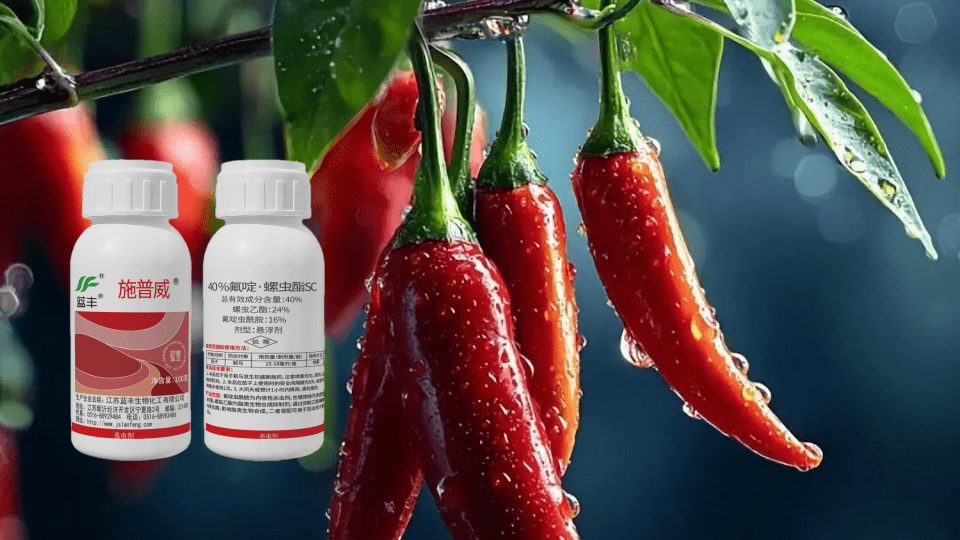
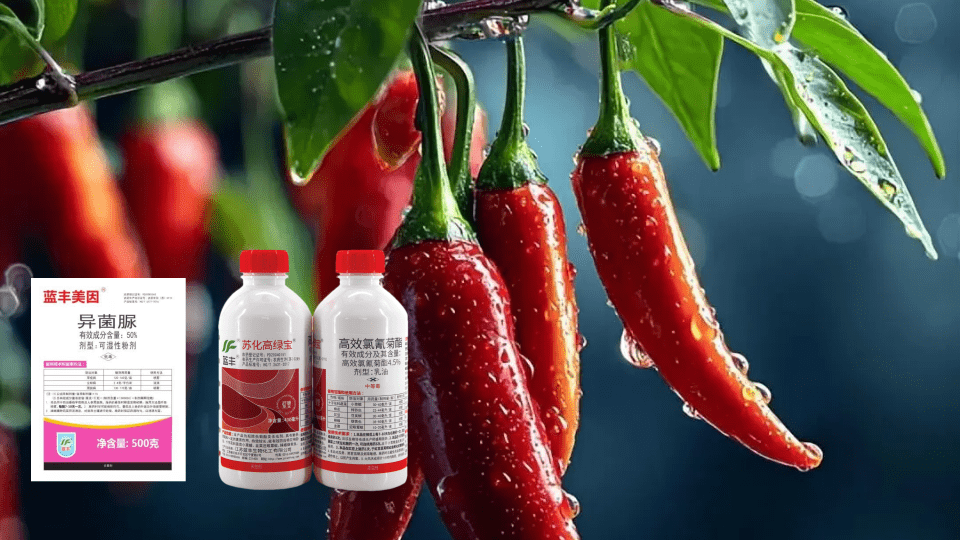
Now that prevention is covered, let me talk about two targeted Lanfeng products registered on peppers that can be used directly. Suhua Galuobao 4.5% beta-cypermethrin EC (PD20040151): Registered crop: pepper; Target pest: tobacco budworm (stem borer); Dosage: 35-50 ml/mu, mix with 30-45 kg of water and spray evenly; Mechanism: pyrethroid (IRAC 3), contact and stomach action, highly effective against lepidopteran stem borers such as tobacco budworm and cotton bollworm. It is most cost-effective to spray before the larvae bore into the fruit, evening application gives better effect, pay attention to rotating with pesticides of different mechanisms, and avoid the period of bee activity. Lanfeng Meiyin 50% iprodione wettable powder (PD20082563): Registered crop: pepper; Target disease: damping-off (Rhizoctonia); Dosage: 2-4 g/square meter, drench on nursery beds; Mechanism: dicarboximide (FRAC Group 2), inhibits the growth of pathogen mycelium, well suited to damping-off caused by Rhizoctonia. Damping-off is a soil-borne disease in the seedling stage; use it most timely after sowing and before transplanting, and rotate with pesticides of different mechanisms to delay resistance. The two products each take charge of one stage: one keeps an eye on the stem borer in the fruiting period, the other protects the roots at the seedling stage. Apply strictly according to the dosage and method on the label; the safety interval and maximum use times per season shall be subject to the product label, and rotation is needed to last long.
In summer, when pepper diseases break out, the mistake growers most easily make is 'spray as soon as it wilts, and one pesticide cures all'. In fact, pepper diseases in July are divided into two routes: blight is an oomycete, bacterial wilt is a bacterium; if the disease is not identified correctly, the pesticide is applied wrongly; oomycetes need special drugs such as dimethomorph and flumorph matched with mancozeb, while bacterial wilt needs bacterial drugs by root irrigation and then relies on rotation and humidity reduction as the bottom line. For these two Lanfeng products, Suhua Galuobao handles stem borers and Lanfeng Meiyin handles damping-off and blight; both are officially registered on peppers and are right on target and effective, but rotation should still be rotated, drainage should still be drained - pesticide is only the last gate. Only by firmly stepping on the three steps of 'identify the disease, manage the water, and apply pesticide according to the disease' can this crop of peppers in summer be harvested stably.